Blog
Sludge Dewatering Performance of TNW Co., Ltd Screw Presses
sludge dewatering Performance of TNW Co., Ltd screw presses
Dewatering effect is always the top priority when purchasing screw presses. Many low-end brands exaggerate cake dryness figures, resulting in dripping sludge cakes, slurry leakage in filtrate, failed sludge volume reduction and repeated environmental inspection failures after installation. Even for identically named screw dewaterers, actual cake moisture and operational stability vary drastically. With over a decade of experience and thousands of field projects, TNW Co., Ltd provides verified on-site dewatering data with stable moisture targets for diverse sludge types, earning long-term trust from wastewater operation teams and manufacturers.

1. Actual Measured Sludge Cake Moisture Across Industries
All figures are sampled from stable running site projects instead of theoretical lab values for reliable reference:
Municipal activated sludge (optimal matching)
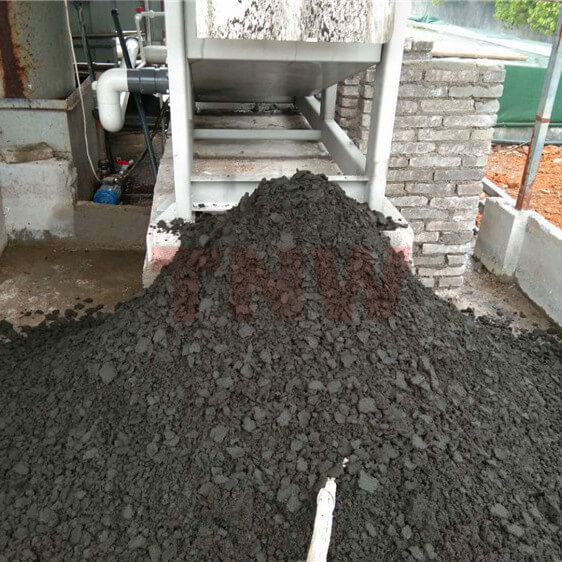
Inlet moisture: 98%–99.5%; TNW screw press outlet moisture stably 75%–80%. Sludge volume drops by over 70% with firm, non-leaking cake fit for landfill or composting. Models 201, 301 and 402 are widely used for medium and small sewage stations.
Slaughterhouse, food and livestock manure sludge
High organic content and strong viscosity; inlet moisture 97%–98%, outlet moisture controlled at 76%–82%. Fully mature cationic PAM dosing yields cake suitable for organic fertilizer production with extra resource recovery benefits.
Viscous oily sludge from printing, chemical and pharmaceutical plants
This sludge contains abundant colloids and fibers, easily blinding standard machines and producing wet cake. Custom TNW units maintain moisture at 78%–83%, 2–4 percentage points drier than generic competitors and easing downstream disposal burden significantly.
River dredging & slightly sandy slurry
Mixed sediment and impurities; inlet moisture 96%–99%, outlet moisture 78%–83%. Wear-reinforced spiral structures resist abrasion and prevent gradual performance decline during long-term operation.
Comparisons with plate-and-frame filter presses and decanter centrifuges: Plate-and-frame presses deliver drier cake yet run intermittently with high labor and consumable costs; centrifuges generate loud noise and consume excessive power. TNW screw presses excel in steady continuous dewatering, low operational input and unattended round-the-clock running, offering superior comprehensive cost performance.
2. Four Core Structural Designs Ensuring Reliable Dewatering Performance
Gradient Progressive Extrusion for Even Pressure Distribution
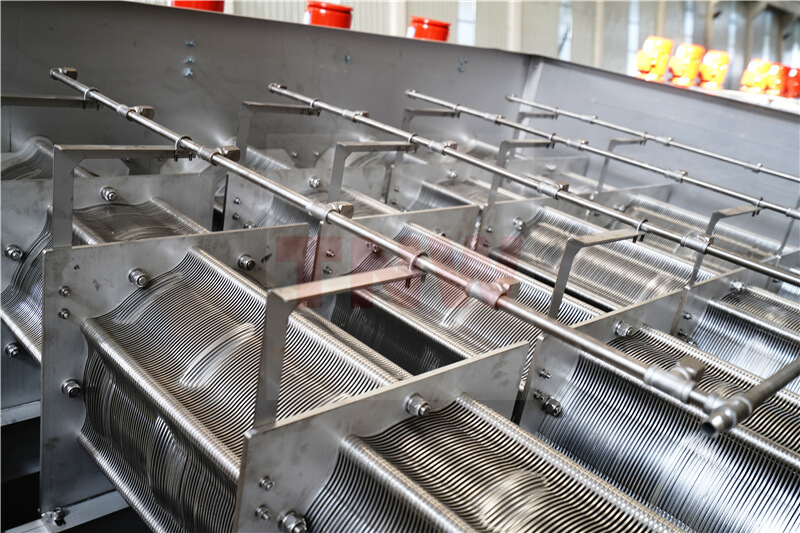
Unlike single-stage compression on ordinary machines, TNW screws adopt variable diameter and pitch design, boosting squeezing pressure gradually from feeding to cake discharge to thoroughly expel capillary water from sludge. Dual-shaft models such as TNW402 bear balanced load without uneven cake dryness. Backpressure plate clearance is precisely adjustable within 4–6 mm to fine-tune dryness for different sludge types with simple operator setup.
Customized Stack Ring Gaps to Stop Slurry Leakage
A common industry flaw is universal ring gaps for all sludge. TNW tailors clearance settings: 0.5–1.0 mm narrow gaps for fine municipal sludge to trap tiny solids; 1.0–1.5 mm wider gaps for high-fiber printing sludge to avoid adhesion and blockage. Strict flatness control for each stack ring minimizes turbid filtrate and fine sludge loss to preserve dewatering efficiency.
Self-Cleaning Movable & Fixed Rings Prevent Performance Degradation
High-viscosity oily sludge tends to stick to ring gaps and gradually weaken dewatering capacity. TNW’s 304/316 stainless steel movable rings shift continuously against fixed rings during low-speed rotation, automatically scraping adhered sludge without shutdown high-pressure flushing. Units sustain consistent cake dryness for months of non-stop operation without performance drop-off.
Intelligent Linked Control Adapts to Fluctuating Sludge Conditions
Equipped with Siemens PLC variable frequency control, the screw press connects seamlessly to TNW three-chamber automatic PAM dosing units. The system automatically raises flocculant dosage and slows screw speed for thicker sludge to extend extrusion time; it reduces chemical feed and moderately accelerates rotation for dilute sludge. Manual adjustment often causes wasted PAM or insufficient flocculation, while automatic linkage stabilizes optimal flocculation state, cutting chemical consumption by roughly 20%.
3. Supporting Configurations Critical to Maximizing Dewatering Results
Even premium main units underperform with inadequate chemical preparation and dosing:
Matching integrated PAM dosing unit: Three-chamber graded dissolution and full curing eliminate caked inactive powder, maximize liquid agent activity and form dense stable flocs for thorough mud-water separation.
Customizable material upgrades: Standard 304 stainless steel suits municipal wastewater; full 316 stainless steel resists corrosion for chemical and coastal salt fog environments; tungsten carbide coating on spiral blades boosts wear resistance for sandy sludge to sustain long-term stable performance.
Professional on-site commissioning: TNW technicians calibrate rotation speed, backpressure and PAM ratio based on local sludge samples to lock in steady outlet moisture, while training operators for routine fine-tuning to avoid self-adjustment errors.
4. Real Customer Feedback: Clear Performance Gap vs Low-Cost Generic Brands
Many long-term clients switched after disappointing experiences with cheap off-brand screw presses. Budget machines perform adequately initially but develop ring blockages within two weeks, pushing cake moisture above 85% with cloudy filtrate and requiring frequent downtime cleaning. After switching to equivalent TNW models, systems run smoothly for half a year with steady qualified cake dryness and drastically reduced maintenance labor, delivering substantial annual savings on transportation, chemicals and repairs.
General contractors prefer bundled TNW screw press + dosing packages, pre-calibrated for coordinated operation at the factory to achieve one-pass qualified trial runs without coordinating separate equipment suppliers.
Quick Selection Tips to Secure Reliable Dewatering Output
Choose plate-and-frame presses only if maximum cake dryness is prioritized regardless of labor and consumable expenses; TNW screw presses are ideal for continuous medium-scale sludge treatment with low maintenance demands.
For highly viscous, fiber-rich food or printing sludge, request customized wider stack rings and reduced rotation speed rather than applying standard municipal model parameters directly.
Slurry with sand content must use tungsten carbide coated wear-resistant spirals; plain stainless steel suffers rapid abrasion and fast dewatering decline.
Send sludge samples to TNW for free dewatering lab tests with verified moisture data before confirming model and configuration to avoid blind ordering.
Conclusion
Evaluating screw press quality relies on both initial cake dryness and long-term operational stability plus resistance to performance decay. Instead of inflating technical parameters, TNW Co., Ltd supports its performance claims with thousands of verifiable field dewatering datasets. Optimized mechanical structure, intelligent control and complete matching accessories work together to deliver consistent sludge dewatering results. For new sewage plant construction or old equipment renovation requiring stable compliance and low long-run costs, TNW screw presses are a dependable choice.